In today’s manufacturing landscape, sustainability is no longer only an environmental responsibility; it is also a smart business strategy. One of the most promising developments in material recycling is the ability to convert used synthetic leather and textile waste into functional, attractive, and market-ready products. Through advanced air-based fiber processing technology, previously discarded materials can now be reborn into new synthetic leather sheets and a wide range of accessories. While the machinery involved plays an important technical role, the true value of this innovation lies in the quality and versatility of the end products it enables.
From Waste to Usable Material
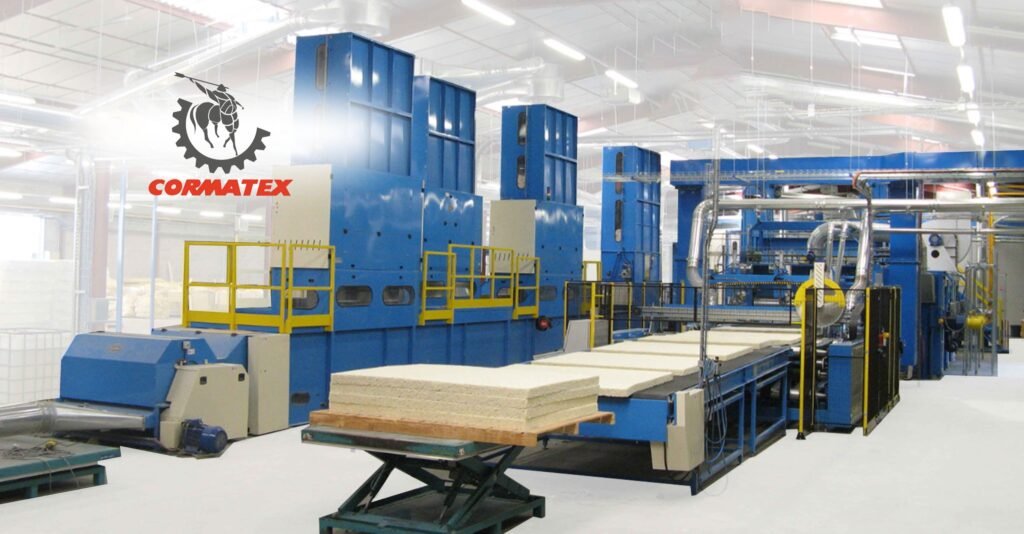
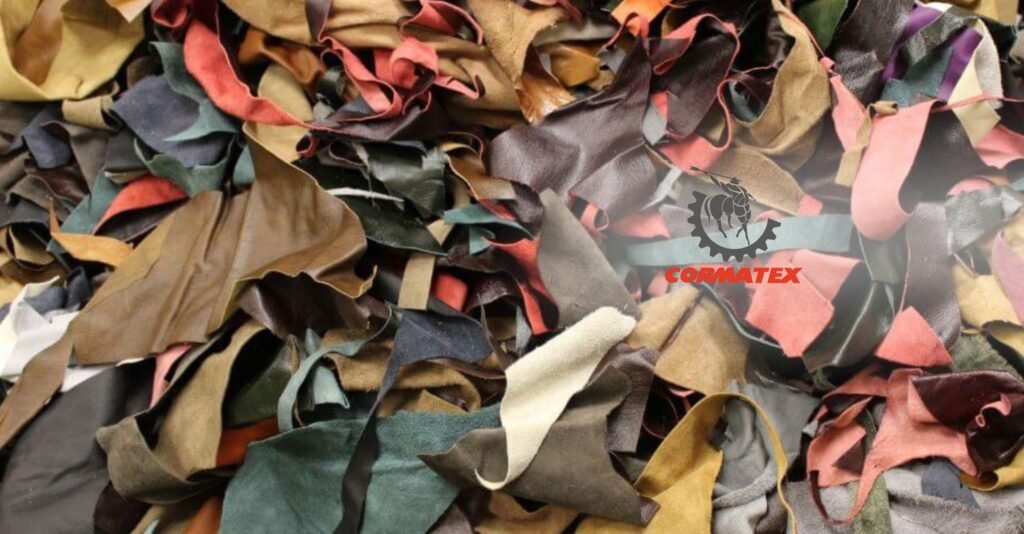
Synthetic leather waste—such as factory off-cuts, damaged upholstery, or post-consumer goods can be processed into fine fiber blends and re-formed into new sheets or dense non-woven layers. With Cormatex’s Airlay technology, reclaimed fibers are evenly distributed through an efficient dry-forming process, producing high-performance materials with consistent quality and strong mechanical properties.
This approach extends material life cycles, reduces landfill waste, and lowers dependence on virgin raw materials, supporting a more sustainable and circular production model.
End Products: Where Innovation Meets Practical Use
The recycled material is not limited to industrial use. In fact, many of the most valuable outcomes are consumer-facing products that combine sustainability with everyday functionality.
1. Re-Engineered Synthetic Leather Sheets
Reprocessed sheets can be finished with coatings, textures, and colors to achieve a look and feel similar to virgin synthetic leather. These sheets are commonly used for:
- Furniture upholstery
- Automotive interior panels
- Bags, wallets, and small leather goods
- Decorative panels and covers
Although not always identical to brand new material, the performance is often strong enough for both aesthetic and functional applications. The result is a cost efficient and eco-conscious alternative without sacrificing visual appeal.
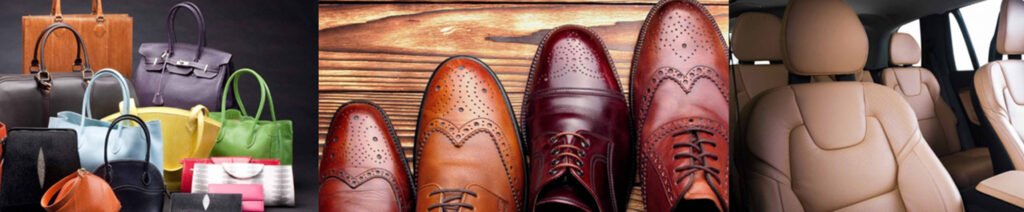
2. Accessories and Lifestyle Products
Recycled synthetic leather fibers are also ideal for smaller, high-value items. Because the material can be produced in controlled thickness and density, it works well for:
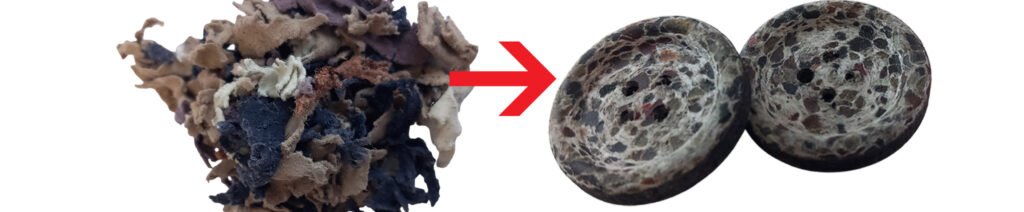
- Footwear insoles and padding; it can even become a button.
- Book covers and binders
- Electronic device cases
- Helmets and protective linings
- Travel accessories
These products benefit from the material’s natural durability, flexibility, and resistance to moisture, making them both practical and long lasting.
3. Functional and Interior Components
Beyond fashion and lifestyle, recycled sheets and felt like layers are widely used in:
- Car floor mats and trunk liners
- Acoustic insulation panels
- Thermal insulation layers
- Protective packaging inserts
Why This Approach Matters
The true strength of modern recycling technology is not only in how it processes materials, but in what those materials become afterward. By transforming synthetic leather waste into new leather sheets and versatile accessories, manufacturers gain access to a sustainable material stream that supports both environmental goals and commercial growth.
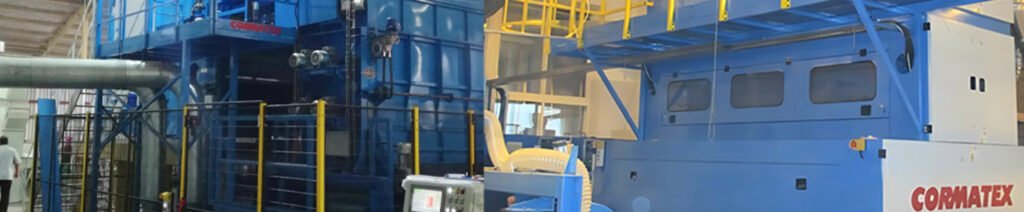
What was once considered scrap can now return to the market as refined, functional, and visually appealing products, demonstrating that innovation and sustainability can move forward together in practical and profitable ways. Contact Agansa today for further information.