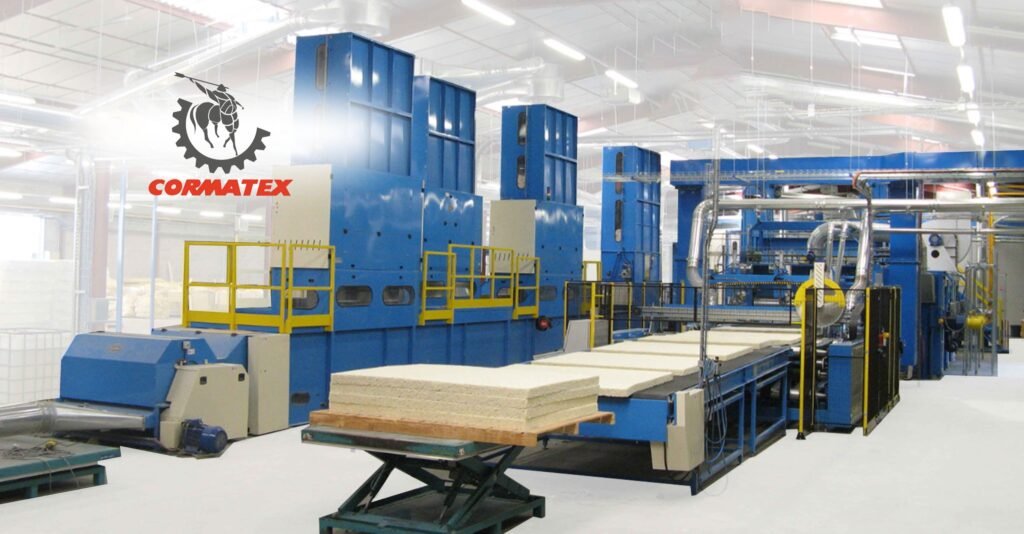

In the textile industry, waste is almost inevitable. Whether it’s leftover fabric, foam scraps from mattresses, or even old carpet materials, these byproducts often end up discarded. But the truth is, they still hold value. With the right process, these materials can be recycled into new, functional products such as mattresses.
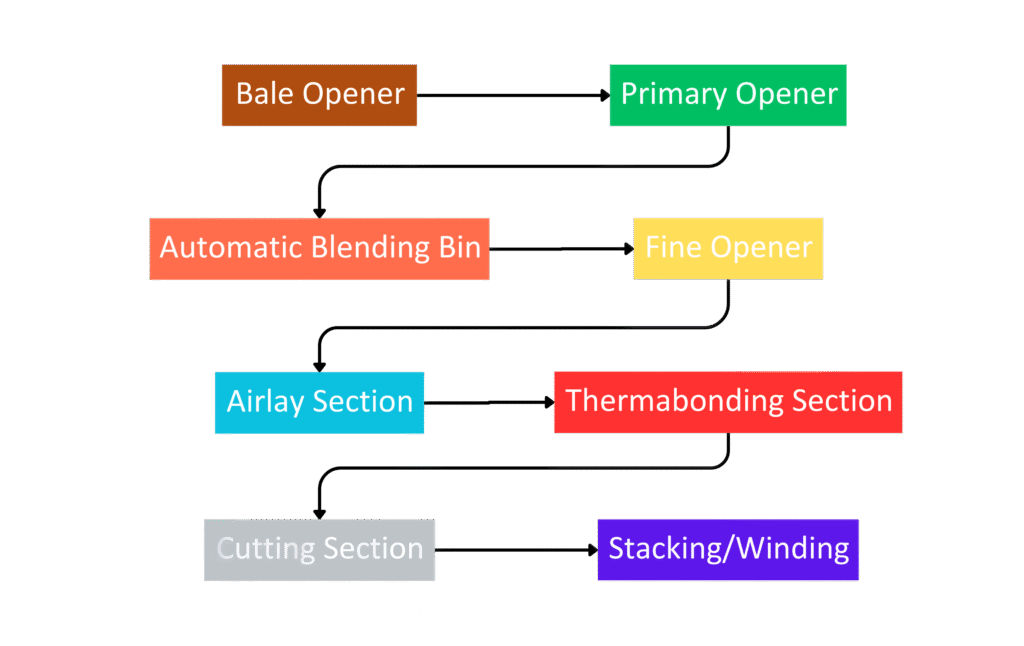
The journey is a long yet fascinating one. Let’s walk you through the key stages of mattress recycling with Cormatex:
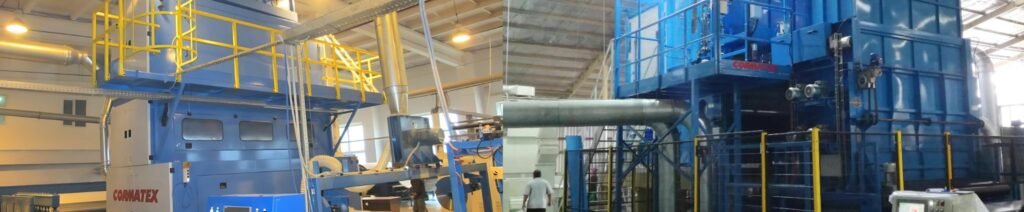
Bale Opener: The first stage of recycling, where compressed material bales, foam, fibers, or any kind of waste – are opened and loosened into weighing composition-.
Primary Opener: Reopening the fiber/material quality and make some finest blend result.
Blending Box: Mixes Fibers or foam to create uniform density, texture, and colour. By blending materials evenly, it prevents irregularities and improves efficiency in later production stages.
Fine Opener: The final refining stage that teases fibers and foam into a soft, fluffy, and consistent form. It delivers the finishing touch, making materials ready for new nonwoven products.
Cormatex: Airlay
Cormatex, sustainability is at the heart of innovation. Guided by the principles of the Circular Economy, developing non-woven machinery and Airlay technology that eliminate production waste, lower energy consumption, and reduce landfill impact. For over 15 years, this commitment has fueled global R&D projects, driving the textile industry toward a smarter, greener, and more sustainable future.
The technology, Airlay: An alternative method that uses airflow instead of combing, distributing fibers onto a conveyor with excellent uniformity. Together with Needle Punch: Specialized needles mechanically bond the fibers, locking them in place to create a strong, stable nonwoven structure. This process is highly versatile, able to handle a wide range of recycled materials.
Thermobonding or Oven and Cutting Winding
To enhance durability, the nonwoven web then undergoes Thermobonding or Oven. Using controlled heat (and sometimes pressure), binder fibers soften and fuse together, creating a stable, resilient sheet. Finally, in the Cutting Winding stage, the finished nonwoven is either cut into sheets or wound into rolls, ready for use in mattress production or other industrial applications.
And there you have it: the complete journey of mattress recycling, from discarded materials to newly formed nonwoven sheets. At Agansa, we are committed to supporting industries in turning waste into opportunity — helping you access sustainable solutions that add value to your business.
Let’s take the next step toward a greener future together. Explore our eco-friendly mattress recycling solutions today with Cormatex and discover how your business can make a positive impact — for the planet and your bottom line.