In ring spinning, even a single yarn break can become more than just a minor production issue. When a breakage is not detected quickly, roving may continue feeding into the affected position, leading to material waste, lapping, further breakages, and additional work for operators.
As spinning mills continue to pursue higher efficiency and more controlled production, relying solely on manual inspection can make it difficult to monitor every spinning position consistently. The challenge is not only detecting yarn breakage, but also responding quickly and having the right information to understand what is happening across the machine.
This is where Pinter Group’s Optical Yarn Detector and Roving Stop provide a smarter approach to ring spinning, combining fast detection with real time monitoring and automatic response.
When Finding a Broken Yarn Meant Walking Around the Machine
In the past, identifying yarn breaks largely depended on manual inspection. Operators had to walk around the ring spinning machine, continuously checking the spinning positions and looking closely for broken or abnormal yarns. With hundreds or even thousands of spindles operating at the same time, this could be a time consuming task.
A breakage that was not noticed quickly could continue to cause material to accumulate around the machine, creating additional cleaning and maintenance work. The challenge was not simply fixing a broken yarn, but also finding it quickly among many other spinning positions.
Detect Faster, Respond Immediately
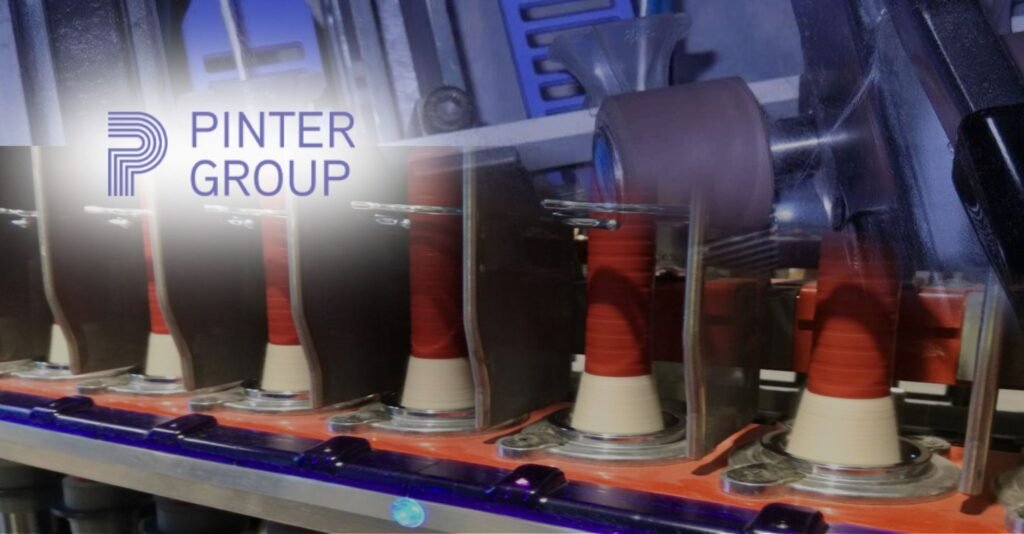
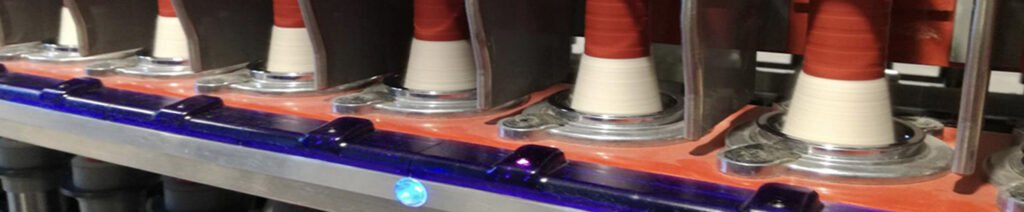
Pinter Group’s OPTIFIL Optical Yarn Detector continuously monitors individual spinning positions and can detect yarn breakages in less than one second. Each spindle is equipped with an LED indicator that provides visual information about its condition, including yarn breakage, low twist, rogue spindle, obstacles or dust, and idle spindle conditions.
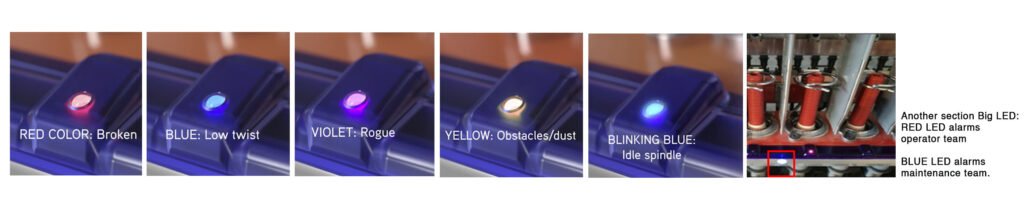
The system can also guide operators directly to the position requiring attention, reducing the need for continuous manual searching around the machine. This guided approach helps operators spend their time where intervention is actually needed.
However, detecting the problem is only one part of improving spinning efficiency.
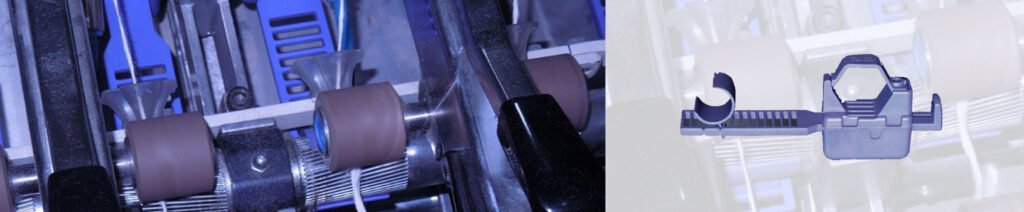
When a yarn break occurs, Pinter Group’s Roving Stop can work together with the optical sensor to stop roving feeding instantaneously. By stopping the roving at the affected position, the system helps prevent lapping and further breakages while also reducing unnecessary raw material consumption.
From Detection to Real-Time Monitoring
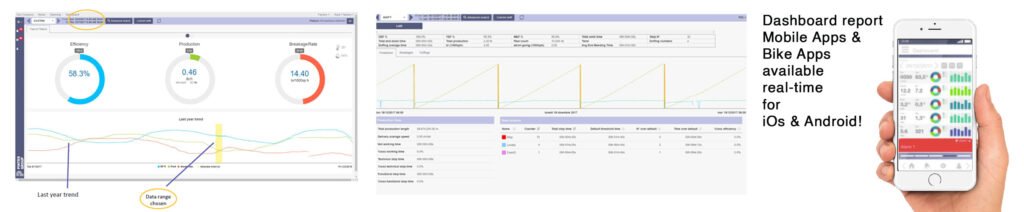
The advantage of the system goes beyond faster yarn break detection. Through Pinter Group’s EFFISPIN Optical Monitoring System and Smart Dragon software, machine information can be collected automatically and transformed into real-time data for monitoring and analysis.
EFFISPIN is designed to support spinning mill management by improving efficiency, monitoring quality, saving costs, optimizing labour, and supporting planning and maintenance.
Through the machine HMI and monitoring system, users can access information such as production, yarn breaks, spindle conditions, RPM, TPI, lot and yarn parameters, and other machine operating information.
This gives operators and management a clearer view of what is happening on the spinning floor without relying entirely on manual observation.
Transforming Real Time Data into Strategic Spinning Decisions
Real time information becomes significantly more valuable when it can be used to identify patterns, highlight low efficiency conditions, and evaluate overall machine performance over selected periods through intuitive graphs, tables, dashboards, and detailed reports. For maintenance and production planning, the integrated Stop Chart helps analyze stoppage reasons and compare performance across machines, lots, operators, and shifts, making it easier to pinpoint specific units that require frequent cleaning or technical intervention. By combining the Optical Yarn Detector and Roving Stop with EFFISPIN and Smart Dragon, data collected from the spinning floor is no longer limited to identifying immediate physical problems; it transforms machine information into real time operational insights that support better decisions regarding overall efficiency, product quality, labor allocation, cost control, and proactive maintenance planning.
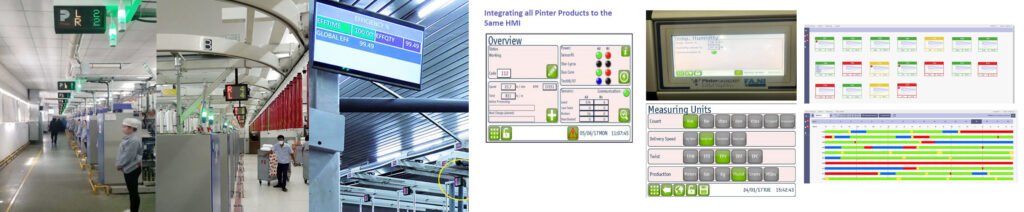
What starts with a single yarn break can therefore become part of a broader approach to spinning management: detect problems faster, respond immediately, monitor performance in real time, and use data to support better operational decisions.
Pinter Group’s Optical Yarn Detector and Roving Stop are designed to help spinning mills improve efficiency, reduce avoidable losses, optimize labour, and support better planning and maintenance, bringing greater visibility and control to modern ring spinning operations. Contact Agansa for more information now!